
Pittsburgh Automotive History
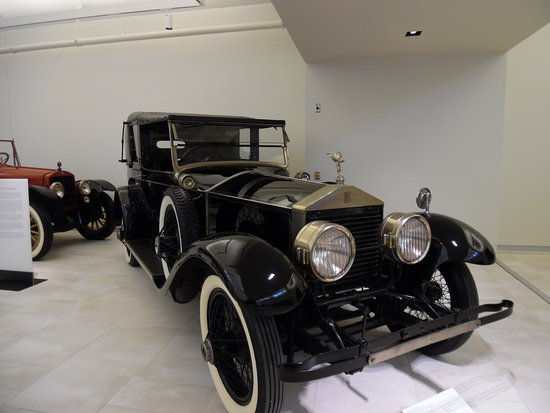
The photo to the left is from The Frick Auto Museum located in Pittsburgh, PA
The car in the photo is a 1923 Rolls Royce
It seems that many majors cities have an automobile museum or display that show-cases a brilliant collection of automobiles for educational purposes and personal enjoyment. For Pittsburgh, Pennsylvania, that museum is the Frick Car and Carriage. It performs many functions and duties, such as displaying the cars of G. Whitney Snyder. Mr. Snyder's collection centered on cars of the Brass Era through the 1920s and early 1930s. Mr. Snyder contributed generously toward the creation of the Frick Car and Carriage museum, participated actively in its design, and bequeathed his most significant vehicles to its collection. The cars on display are not limited to those from his collection; the museum consists of cars from many collections.
The Frick Car and Carriage Museum has done a brilliant job at gathering up information on many subjects, especially steam powered cars. There is a theater that features a video on the history of steam powered cars and their many accomplishments.
The museum has done a great job at preserving the role Pittsburgh played in the evolution of the automobile and the many accomplishments. This ranges from the continued pursuit of perfect through design and development, to the building of roads, highways, and adapting rules and laws for motorists to abide by. When motorcars and horse-drawn carriages roamed the earth in unison, there was chaos. The roads were poor, unformed, and hard to negotiate. There were no traffic lights or other forms of traffic control. Motorcars and pedestrians all jockeyed for right-of-way. Accidents were common and fault was hard to place since there were no rules or regulations. As motorcars progressed, so did the roadways and methods for controlling the flow of traffic. The Frick Car and Carriage has done an amazing job at documenting this evolution through text, photographs, and narrated videos.
On many occasions I have frequented this museum and spent time learning and exploring. It is a smaller exhibit, housing around twenty motor cars along with various other carriages and relics. A few cars on display are permanent to the museum. Others are rotated in from other stables, mostly from the Pittsburgh region.


Comments